
TL;DR
RV maintenance isn't one big spring overhaul. It's a small set of recurring tasks broken into monthly, quarterly, and annual chunks. This checklist is the one we run in our own rig — print it, stick it on the fridge, and save yourself the four-figure repair bills that come from forgetting the cheap stuff.
The first year we owned our Coachmen Pursuit, we didn't have a checklist. We had a vague sense that "you're supposed to do stuff to an RV." So we washed it occasionally, drove it a lot, and assumed problems would announce themselves loudly. They did — but by then they were no longer cheap. A $12 tube of sealant we never opened became a $4,000 ceiling repair. A $4 anode rod we never swapped became a corroded water heater tank. Every expensive lesson we've learned in RV ownership traces back to a five-minute task someone skipped — sometimes us, sometimes the dealer, sometimes the factory.
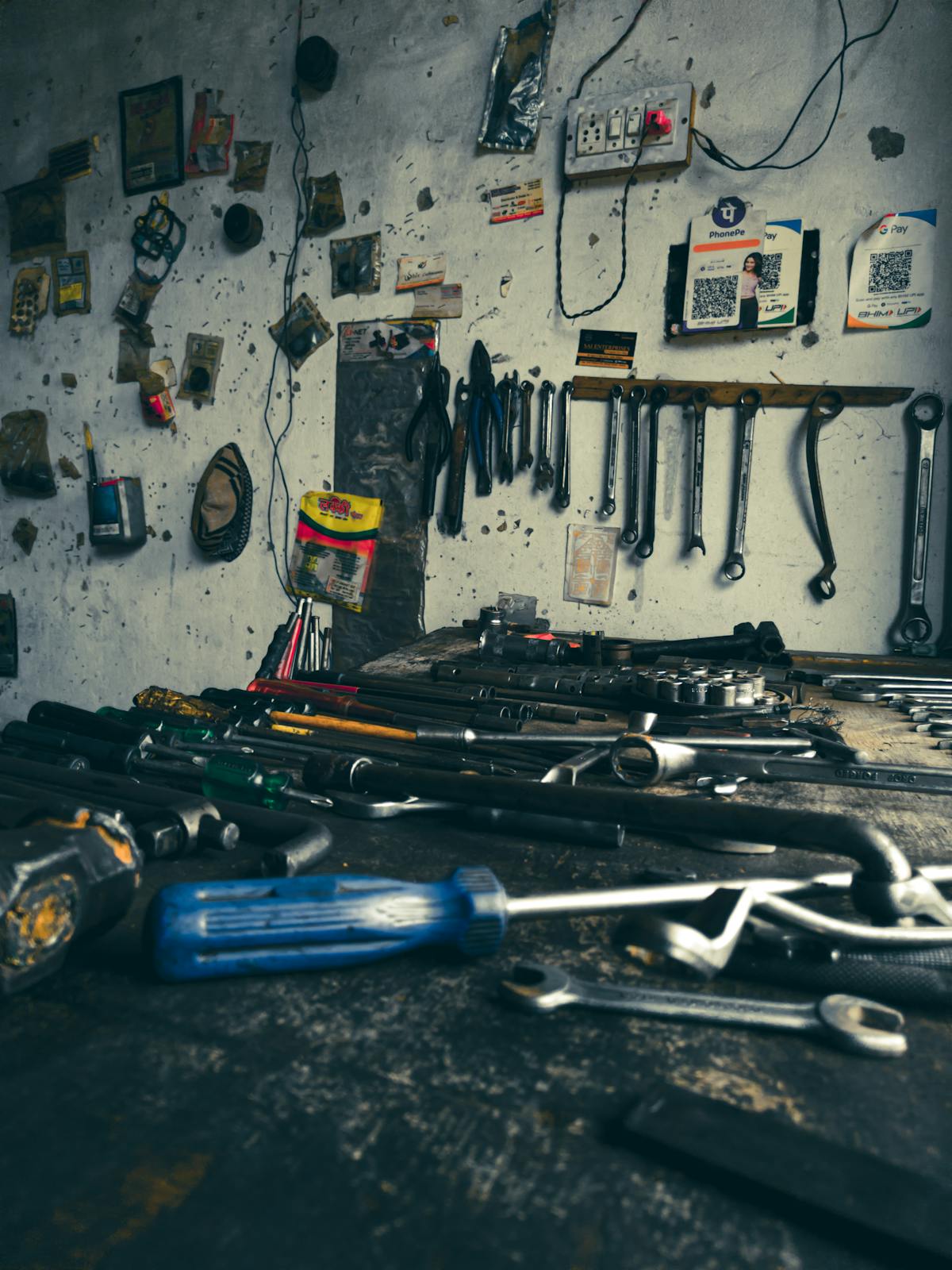
This is the checklist we run now, in our current rig, after the Coachmen and after the Alliance and after watching a lot of other families pay for the same mistakes we did. It's organized so you can do most of it yourself, in short sessions, without specialized tools. The annual stuff that genuinely needs a tech is flagged. Print this, stick it inside a cabinet door, and you've already done more than 80% of RV owners ever do.

How to use this list
Three rules before we get into the months. First, do the cheap stuff on time. Sealant, lubrication, filter changes — these are the tasks that cost almost nothing and prevent the four-figure repairs. Skip them and you'll pay later, every time. Second, log it. A simple notebook in the cabinet works fine. Date, task, what you saw, what you did. If you ever pursue a warranty claim or build a defect log, a maintenance log is the best friend you'll have in that fight. Third, when something feels beyond you, stop. Gas, high-voltage electrical, structural — those are tech jobs. We have a whole section below on which tasks belong with a certified RV technician, and we mean it.
The honest version
Most of this is boring. None of it is hard. The owners who do best with their rigs aren't the ones with the most tools — they're the ones who actually do the boring tasks on schedule. That's the entire secret.
Monthly tasks (15 minutes, every month you're using the rig)
If you're a full-timer, these are every month, year-round. If you're a seasonal user, do them on the months the RV is in active use plus once during storage. Most of this is visual inspection and short maintenance — no specialized skill required.
- Walk the roof or do a binocular-from-ladder inspection. Look for cracked sealant, lifted seams, pooled water, debris. We have a full roof maintenance guide that covers what to look for on EPDM vs TPO vs fiberglass.
- Check exterior sealants at every penetration. Vents, antennas, refrigerator vents, slide tops, awning brackets, marker lights. Hairline cracks now mean leaks in six months. We have a full sealing and caulking guide for what to use where.
- Check tire pressure cold. Not warm. Not after a drive. Cold. Pressures should match the load-rated psi on the sidewall, adjusted for your actual loaded weight. A tire pressure monitoring system makes this trivial.
- Visual tire inspection. Sidewall cracking, uneven wear, bulges. We've written a whole post on why tire age matters more than tread — read it if you're driving on anything older than five years.
- Battery voltage check. A digital multimeter is $20. A dead bank of batteries from a parasitic draw is a few hundred. Check resting voltage; if it's drifting low between charges, something is drawing.
- Run the generator under load for 30 minutes. Generators that sit get bad gas, gummed carbs, and dried-out seals. Our generator care guide covers why monthly exercise is non-negotiable.
- Look under the rig. Drips, sagging hoses, anything that looks new or wrong. Five-second walk-around.
- Slide-out seal wipe and inspect. If you've got slides, walk the seal lines on the months you're operating them. We've got a full slide-out care post with the cadence and product recommendations.
Quarterly tasks (one weekend, every three months)
These are the tasks worth a slightly longer session. Block out a Saturday morning. Coffee, a notebook, and the tool kit. The honest version is that the first time you do this it'll take three hours; by the fourth time it'll take 45 minutes.
- Deep-inspect all sealant runs. Not just the visible cracks — push gently on suspicious spots, look for soft sealant or separation. Mark anything questionable with a piece of tape so you can re-check it next time.
- Lubricate slide-out mechanisms. Hydraulic, Schwintek, and through-frame all have different lube specs and intervals. Check your owner's manual or the Lippert service portal for your specific mechanism.
- Clean and inspect AC coils. A clogged condenser coil is the #1 reason RV air conditioners die early. We have a dedicated AC maintenance guide with the procedure.
- Replace HVAC filters. Cheap, takes 30 seconds, hugely affects how long the system lasts.
- Test all 12V systems. Lights, fans, water pump, fridge on DC mode, slides if applicable. Anything weak or flickery should be diagnosed before it strands you somewhere.
- Inspect awnings. Look for fabric tears, frame corrosion, sagging arms, bent rafters. A small awning tear becomes a destroyed awning in one windy afternoon.
- Sanitize the fresh water tank if you've been drinking from it. Use the bleach ratio outlined in our de-winterization post — same procedure applies any time of year.
- Wash and wax the rig. Not vanity. Wax protects gel coat and fiberglass from UV degradation, which is the #1 long-term enemy of an RV's exterior.
Annual tasks (one full weekend, once a year)
This is the big one. Plan for it. Schedule it. We do ours every February so we're ahead of spring travel; if you're a full-timer in a warm climate, pick a month when you're parked for a stretch. Block off a full weekend and treat it like the annual physical your rig deserves.
- Replace the water heater anode rod. If you have a Suburban water heater, the anode rod is sacrificial — it corrodes so the tank doesn't. A new rod is $8–15 at any RV store. A failed tank is $700+ installed. Atwood/Dometic tanks are aluminum and don't use anode rods, but you should still flush them annually.
- Flush the water heater. Sediment accumulates at the bottom of the tank and causes hot spots, premature element failure, and noisy operation. A flush wand on a garden hose handles it in 15 minutes.
- Repack wheel bearings (or have a tech do it). Most RV trailer wheel bearings are due for repack at 12,000 miles or annually, whichever comes first. If you're towable, this is mandatory. If you're motorized, follow the chassis maintenance schedule (Ford E-series, Freightliner, Spartan, etc.).
- Generator oil change and full service. Onan and Cummins both publish service intervals — usually around 150 hours or annually. Air filter, spark plug if applicable, oil and filter. Our generator post walks through it.
- Propane system leak test. Do not improvise this. A certified RV tech with a manometer should pressure-test your LP system annually. Propane leaks are not a DIY-experiment category.
- Inspect propane regulator and hoses. Visual only, unless you're certified. Cracked hoses, weeping connections, anything that smells like LP gas — out of service until a tech looks at it.
- Refrigerator service. Absorption fridges (Dometic, Norcold) benefit from an annual burner-tube cleaning and cooling-unit inspection. Compressor fridges need much less but should still get a coil cleaning and seal check. We cover the failure modes in our refrigerator post.
- Brake inspection. Trailer electric brakes wear; magnets and pads should be inspected annually and adjusted. Motorhomes follow chassis-specific intervals.
- Test all safety systems. Smoke detector, CO detector, LP detector. Replace batteries. Note the manufacture date on the units themselves — most have a 5-7 year service life and need full replacement, not just battery swaps.
- Check fire extinguisher. Pressure gauge in the green; tag dated; not expired. Replace if any of those are off.
- Update or rebuild your defect log. If you're under warranty, this is also when you should be reviewing your warranty status and pursuing anything you've been putting off.
- Walk the chassis underside with a flashlight. Look for rust, hanging hardware, road damage, anything that has shifted. Wiring harnesses that have rubbed through their insulation are common.
- Battery deep service. Lead-acid: check electrolyte levels, clean terminals, equalize if the bank supports it. AGM: clean terminals, voltage check, load test. Lithium: BMS check, balance the cells per manufacturer instructions. We cover the differences in our battery systems guide.
Pre-trip checklist (every time you travel)
This isn't annual or quarterly — it's per-trip. We don't leave the driveway without running this list. Some of these are five-second checks; missing any of them has cost us a trip at least once.
- Tire pressure cold, all positions including spare.
- Lug nuts torqued (or visual check if you've recently torqued).
- All slides fully retracted and latched if applicable.
- Awnings rolled, locked, and travel-strapped.
- Antennas down. (We've driven off with the TV antenna up. Once.)
- Steps retracted.
- All cabinet and bay doors latched.
- Fridge switched to LP or DC mode as appropriate.
- Water heater off (or in travel mode if your unit allows).
- Propane: off for travel if your insurance or the state requires it; otherwise check valve status.
- Holding tank valves closed.
- Sewer hose stowed.
- Power cord stowed.
- Hitch (towable): coupler locked, safety chains crossed and connected, breakaway cable hooked, 7-pin plugged, weight distribution engaged, lights tested all the way around with a helper.
- Tow vehicle hitch (motorized with toad): baseplate connected, lights and supplemental braking tested, transmission released per toad manufacturer instructions.
Storage and winterization (annual, if you have a cold season)
Storage prep deserves its own ritual. If you live where water freezes, this is non-optional. We cover the spring side in detail in our de-winterization post; the fall version is the mirror image.
- Drain fresh, gray, and black tanks completely. Use the low-point drains as well as the main valves.
- Bypass the water heater. Most rigs have a bypass valve for exactly this reason. Antifreeze in the heater tank is wasteful and corrosive.
- Run RV antifreeze through every line. Open each faucet (hot and cold), the toilet, the outside shower, the washer hookups, the icemaker, until pink fluid comes out. Don't forget the P-traps — pour antifreeze down every drain.
- Disconnect and store batteries. Or leave them on a smart maintainer if the rig is in a powered storage space. Batteries left in cold without maintenance discharge and sulfate, often fatally.
- Plug all vents and openings against rodents. Steel wool in furnace exhausts and around utility entries. Mice will turn a $200,000 RV into a $200,000 nesting site in one winter.
- Cover or shade. A breathable cover or covered storage protects from UV. Plastic tarps are worse than nothing — they trap moisture and chafe the finish.
What belongs to a tech, not to you
We're DIY-oriented in this household, and we still send certain jobs out. Some of this is liability. Some of it is the fact that getting it wrong is genuinely dangerous, not just expensive. Here's our list of "don't be a hero" tasks:
- Propane system service beyond visual inspection. Leak tests, regulator replacement, line repair — RVTI-certified or NRVIA-certified tech. Always.
- Anything inside an inverter, transfer switch, or distribution panel above 12V. AC voltage in an RV is the same 120V/240V that lights up a house, and the wiring is often worse-organized than your house's. Mike Sokol's excellent RV Electricity column has more on why this category is a tech-only zone.
- Cooling-unit replacement on absorption fridges. The cooling unit is a sealed ammonia/hydrogen system. Removal and replacement is a specialty job.
- Roof membrane replacement or full re-seal. Spot repairs you can absolutely do. Full membrane replacement involves removing every penetration on the roof, structural inspection, and proper re-bedding. That's a shop job.
- Frame welding or suspension modifications. Pin box, axle, leaf spring, hanger modifications — out of DIY scope, period.
- Generator internals beyond oil and filters. Carburetor service, governor adjustments, regulator boards — Onan and Cummins both publish service manuals that are clear about which tasks require a certified technician.
- Wheel bearing repack if you've never done one. The procedure isn't exotic, but the consequences of a botched repack are catastrophic. Pay a shop $150 the first time. Watch them do it. Then maybe DIY the next one.
Finding a tech you trust is half the battle. The National RV Inspectors Association and RV Technical Institute both have directories of certified inspectors and technicians. We've found certified independent shops often beat dealer service departments on quality and absolutely on wait times.
The honest version
"I'll watch a YouTube video and figure it out" works for 80% of RV maintenance. For the other 20% — gas, high-voltage AC, structural — that approach is how people get hurt or burn their rigs down. Knowing your line is part of being a competent owner. Ours is propane and 120V; yours might be lower. That's fine.
The printable version
If you want a single-page printable version of this checklist, we keep an updated PDF in the consulting library that you can grab when you book a pre-purchase consultation. The version we run in our own rig is laminated and lives on the inside of a kitchen cabinet door. The kids check things off when we do them. It's not glamorous, but neither is replacing a water heater tank because nobody remembered the anode rod.
A note about expectations
The reason we publish this list — and the reason we run it ourselves — isn't because RVs should require this much vigilance. They shouldn't. Cars don't. Houses don't. The fact that RV ownership in 2026 demands a 50-item checklist is, in our view, a comment on the state of the industry, not on the owner. We've written more about that in why RV quality feels different in 2026 vs 2010. The watchdog side of the brand exists because we believe owners deserve better.
But until the industry catches up, the checklist is what stands between you and a year like our 135-defect year. We can't change what the factory did. We can change what gets done in the driveway. That's most of what staying ahead of an RV is — small, boring, repeated tasks, done on time, written down. The owners who do that have rigs that last 15 years. The owners who don't have rigs that look 15 years old at year three.
What this means for you
Print this. Stick it on the fridge or inside a cabinet. Set monthly calendar reminders for the 15-minute checks. Pick a single weekend a year as your big-service weekend. Build a relationship with one certified RV tech you trust for the jobs that aren't yours. Log everything in a cheap notebook. Do this for two years and you'll know your rig better than the dealer who sold it to you — which, in our experience, is exactly where you want to be.
Good Luck Out There!