
TL;DR
An RV TPMS monitors pressure and temperature on each tire in real time, and alarms before a slow leak or overheating tire becomes a blowout. Internal sensors are more accurate and theft-proof; external sensors are easier to install and replace. Either is dramatically better than no TPMS. Budget $200–$400 for a 6-tire system. Compared to the cost of a blowout — to your tire, to your trailer skin, to your family's nerves — it pays for itself the first time it does its job.
The first blowout we ever had was on our travel trailer in 2018 on a flat stretch of I-10 between Las Cruces and Tucson. The first thing we knew about it was the bang. The second thing was the side of the trailer skin peeling away in a strip about four feet long as the tire shredded and the steel-belted treads whipped the fender flare clean off.
We pulled over, swapped on the spare, and spent the next $1,200 over the next month replacing the fender, the wheel well lining, two compartment doors that got punctured by tread fragments, and the tire itself. The other three tires got replaced as well because they were the same age and the conservative call is "they're next."
What we learned afterward, looking back at the photos, was that the failed tire had probably been leaking slowly all morning. By the time it blew, it had been running underinflated and overheated for hours. A TPMS would have alerted us within the first 30 minutes. We'd have pulled over, found the slow leak, plugged it or swapped on the spare while the tire was still intact, and the only cost would have been a $20 plug kit and an hour of our time.
This post is about not making that mistake. It's the cheapest meaningful safety upgrade you can put on an RV.
Why RV tire failures are different
Car tires fail. That's not unique. What makes RV tire failures particularly bad is a combination of:
- Higher consequence. An RV tire shredding doesn't just leave you on the side of the road — the shredded tread can demolish wheel wells, fender flares, slide-out seals, brake lines, plumbing, and trailer skin. We've seen single blowouts cause $5,000–$15,000 of consequential damage.
- Harder to detect by feel. A trailer tire losing pressure doesn't show up in your steering. The tow vehicle keeps driving normally. You can roll 40 miles on a failing trailer tire and not know.
- Closer to people. An RV tire on a slide-out side is six feet from a sleeping kid in a bunkhouse. Tread separation can shoot fragments at high speed.
- Older than you think. RV tires often age out before they tread out. A trailer might roll only 5,000 miles in five years, but the rubber has been baking in the sun. Most RV tire failures are age-related, not tread-related (see our post on tire age).
- Heavy loads. Many RV tires run near their max load rating, which means they generate more heat, which means small problems (underinflation, debris, sidewall damage) escalate faster.
The combination — high consequence, low detection by feel, frequent age-related failure — is why TPMS is dramatically more valuable on an RV than on a passenger car. The pickup truck pulling the trailer has had a TPMS since 2008 (it's federally required on passenger cars per NHTSA rules). The trailer behind it usually has none. That's the gap a TPMS aftermarket fills.
What a TPMS actually does
A TPMS has two parts:
- Sensors on each tire that measure pressure and temperature.
- A display inside the tow vehicle that shows the readings from all sensors and alerts you when something is wrong.
The sensors broadcast wirelessly to the display (typically via a 433 MHz signal). Modern systems handle 6 to 22 sensors depending on the configuration — enough for a tow vehicle plus a fifth wheel or large trailer, plus a spare if you want it monitored.
What it monitors:
- Pressure. Each tire's current pressure, alarming if pressure drops below a threshold (configurable, typically 15–20% below set pressure).
- Temperature. Each tire's surface temperature near the valve stem, alarming if it exceeds a threshold (typically 158°F / 70°C).
- Sudden pressure changes. A fast leak triggers immediate alarm even before the absolute threshold is reached.
The crucial one for catching impending failures is temperature. A tire that's losing pressure heats up. A tire that's overloaded heats up. A tire with internal damage that's starting to delaminate heats up. By the time you see a temperature alarm, you have minutes to pull over before things get worse. By the time the pressure drops to the alarm threshold, you may already be past the safe point.
Internal vs external sensors
The big choice when buying a TPMS is whether the sensors mount inside the tire (replacing the standard valve stem) or outside the tire (screwing onto the existing valve stem like a fancy cap).
External sensors. Cap-style sensors that screw onto the valve stem. The most common type for aftermarket RV TPMS.
- Pros: trivial installation (literally screw on), easy to replace batteries or swap sensors between tires, work on any valve stem.
- Cons: visible (theft-prone, though most have anti-theft locking nuts), can vibrate loose on rough roads, the valve stem itself can crack from the extra weight especially on rubber stems, slightly less accurate temperature reading (measures stem temperature, not tire interior).
Internal sensors. Sensors that replace the entire valve stem assembly, with the sensor body sitting inside the tire mounted to the rim.
- Pros: invisible (theft-proof), no risk of stem damage from sensor weight, slightly more accurate temperature reading, harder to lose.
- Cons: installation requires dismounting the tire (so it's a tire-shop job, $20–$40 per tire), battery replacement also requires dismounting, more expensive sensors up front.
For most owners, external sensors are the right answer because they're DIY-installable and cheap to maintain. The exceptions: if your trailer has metal valve stems already (necessary for external sensors anyway, since rubber stems can flex too much), and you don't want the theft concern, internal sensors make sense — especially on a high-end rig where the sensors will pay back over 5+ years of use.
The honest version
Rubber valve stems and external TPMS sensors are a bad combination. The sensor's extra mass amplifies vibration and can crack the rubber stem at the base. If you're installing external sensors, replace your rubber stems with metal stems at the same time (about $30–$50 in parts at most tire shops). This is not optional — it's standard practice for any quality TPMS install.
The main TPMS brands and what they do well
The TPMS market for RVs has consolidated around a handful of brands. Here's the landscape:
TST (Truck System Technologies). Made specifically for trucks and RVs. Their 507 series (4-tire, 6-tire, 22-tire variants) is among the most-used TPMS systems in the full-time RV community. External cap sensors with anti-theft locking. Color display option. U.S.-based support.
EEZ-RV-TPMS. Another RV-focused player. Solid external sensor systems with similar feature set to TST.
Tire Minder (Minder Research). Another well-regarded RV-specific TPMS brand. Comparable feature set, generally similar pricing.
TireTraker (T&T Engineering). Long-running RV TPMS supplier. Lifetime warranty on their TT-500 system is notable.
Generic eBay/Amazon TPMS. $80–$150 systems from various sellers. Hit or miss. Some are fine. Some have garbage sensors that read pressure inaccurately or drop signal frequently. The quality reviews are mixed enough that we don't trust them for safety-critical use.
You don't need top-tier here — even the mid-tier RV-specific systems do the job. We'd avoid the cheapest generic options not because they'll fail dramatically, but because a TPMS that gives false alarms three times a trip gets ignored, and an ignored TPMS protects no one. Spending an extra $100 to get a system you actually trust pays off.
Setting pressure correctly
A TPMS alerts on pressure deviations from a set value. That set value needs to be correct. This is where a lot of TPMS installations go wrong.
The pressure you should set in your tires is based on the load on each tire, not the maximum pressure printed on the sidewall. Most tire manufacturers publish load-and-inflation tables. You weigh your rig axle-by-axle on a CAT scale, divide by the number of tires per axle to get per-tire load, then look up the recommended pressure for that load.
A typical example: a fifth wheel with two axles, loaded weight 12,000 lbs (with pin weight taken by the truck). 6,000 lbs per axle, 1,500 lbs per tire (four tires on the trailer). Looking up the load table for a typical ST225/75R15 Load Range E tire: 1,500 lbs of load might call for 60 psi cold, not the sidewall maximum of 80 psi.
Overinflating doesn't help; in fact it gives a stiffer ride that beats up the trailer more and can reduce traction. Underinflating is dangerous. Matching pressure to load is correct.
Once you have the right cold pressure, set the TPMS alarm threshold at 15% below that. So if you're running 60 psi cold, alarm at 51 psi. The alarm should fire well before any actual unsafe pressure.
The alerts that matter
What you actually see when you're on the road:
- Slow pressure loss. A nail or puncture drops pressure gradually. The TPMS alerts when you've lost 15–20% of pressure, usually with plenty of time to pull over safely.
- Rapid pressure loss. Sidewall puncture, valve failure, or starting blowout. Most TPMS units have a fast-leak alert that triggers within seconds of a sudden drop, even before the absolute threshold.
- Overheating. Tire temp climbs above the threshold (typically 158°F). This is your "something is wrong, pull over now" alert — it almost always precedes catastrophic failure.
- Underinflation cold. Tire pressure low at startup, before the tire warms. Could be a slow leak overnight, could be cold weather pressure drop.
- Signal loss. Sensor stopped reporting. Could be dead battery, lost sensor (vibrated off), or out-of-range. Important because it means the TPMS isn't protecting that tire.
Of these, the temperature alert is the one that's saved RVs in our community most often. We've heard from many readers who got a high-temp alarm, pulled over, and found a tire visibly bulging or already showing tread separation in time to swap it before it failed catastrophically.
Installing it: what to expect
External TPMS installation, in detail:
- Get your trailer and tow vehicle on rubber valve stems? Replace them with metal valve stems at a tire shop. About $50–$100 total for a 6-tire setup.
- Inflate to your target pressure first.
- Screw the locking ring (provided) onto each valve stem.
- Screw the cap sensor onto each stem.
- Tighten the locking ring up against the sensor base. This is the anti-theft feature.
- Turn on the display. It should pick up all sensors within a few minutes.
- Verify each sensor's reading matches a known-good pressure gauge. If a sensor reads more than 1 psi off, the sensor itself may be defective (most quality brands will replace it).
- Set the alarm thresholds (typically 15% low pressure, 158°F high temp).
- Take a short test drive. Confirm signal stays solid at highway speeds.
Total time for a 6-tire system: about an hour if your stems are already metal, a bit more if you need to wait at a tire shop for stem replacement.
Internal sensor installation is similar but requires the tire shop to dismount each tire, install the sensor on the rim, and remount the tire. About $30 per tire in labor, plus the sensors.
Signal range and repeaters
For long fifth wheels and motorhomes towing a vehicle behind, the back tires can be 50+ feet from the display in the cab. That's a long way for a small battery-powered sensor to broadcast.
Most quality RV TPMS systems include or offer a repeater — a small powered box that picks up the rear sensor signals and rebroadcasts them more powerfully to the display. The repeater typically plugs into a 12V outlet in the rear of the RV or hardwires into the trailer's running lights circuit.
If you have a long fifth wheel and you find your rear axle sensors dropping signal intermittently, a repeater is the fix. Most brands sell them for $30–$80.
Batteries and maintenance
External sensors use small CR1632 or similar coin-cell batteries. Battery life is typically 1–2 years of active driving use. The TPMS display will warn you when a sensor's battery is getting low.
Replacement is straightforward: unscrew the sensor, pop the back cover, swap battery, screw back on. Plan to do it during your annual maintenance cycle (see annual maintenance checklist).
Internal sensors typically have non-replaceable batteries embedded in the sensor body. When the battery dies (typically 5–7 years), you replace the whole sensor — which requires dismounting the tire again. The longer life largely offsets the harder replacement.
What a TPMS doesn't replace
A TPMS is an early-warning system. It's not a substitute for the things that prevent tire problems in the first place. Specifically:
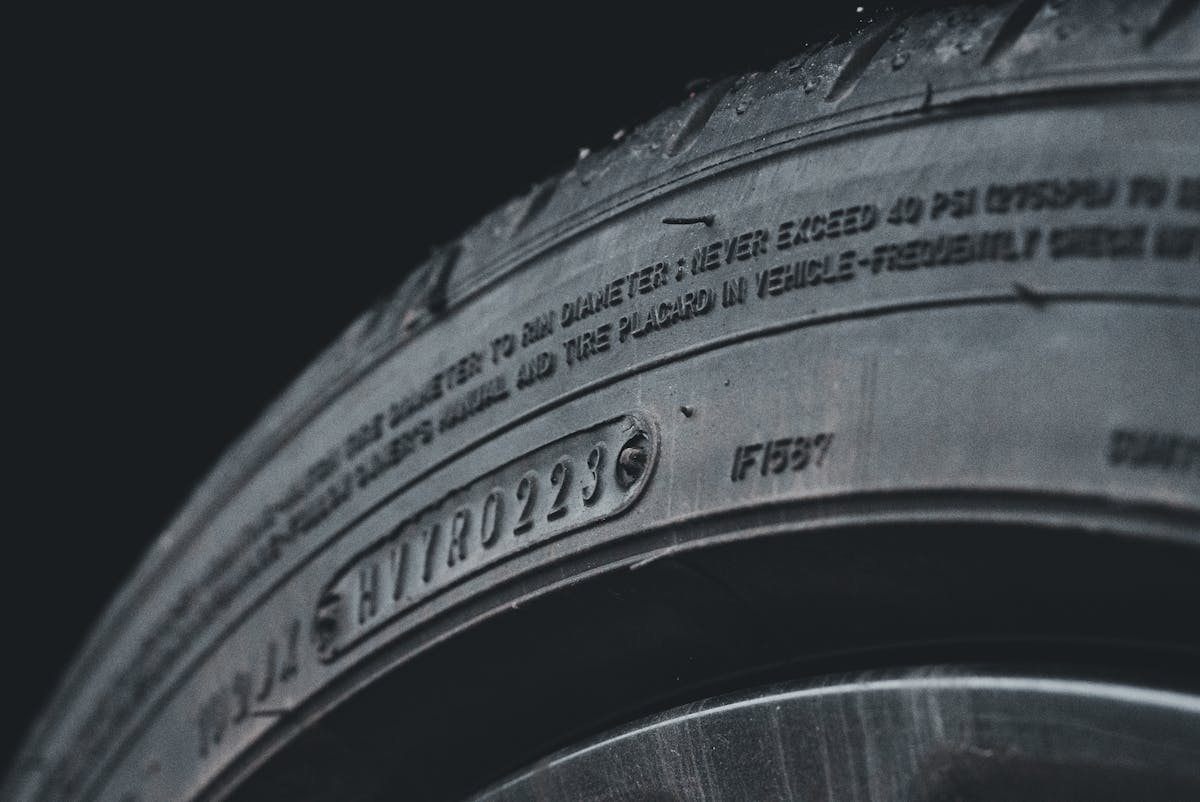
- Doesn't replace tire age awareness. Even tires with adequate pressure and tread fail when the rubber is old. Replace RV tires by age (5–7 years for most ST tires) regardless of how good they look. The DOT date code on the sidewall (look for a 4-digit number like "2421" meaning week 24 of 2021) tells you when the tire was manufactured.
- Doesn't replace pre-trip walkaround. Look at the tires every morning before driving. Bulges, sidewall cracks, embedded objects, low spots — your eyes catch problems the TPMS won't.
- Doesn't replace pressure checks with a manual gauge. Once a month, verify the TPMS readings match a quality manual gauge. Sensors drift over time.
- Doesn't fix axle alignment issues, brake drag, or other mechanical issues. A trailer that's chewing tires unevenly has a mechanical problem the TPMS can't see; it'll only alert when one fails.
The honest version
A TPMS is the best second line of defense. The first line is correct tire age, correct inflation, and a 60-second walkaround before every travel day. Many owners skip those because the TPMS exists. That's backwards. The TPMS catches the things you can't catch by inspection. It doesn't replace inspection.
Real-world examples
The pattern we hear over and over from readers and friends with TPMS:
"Driving through Wyoming on I-80, heat alert on rear curbside tire. Pulled into a rest area, found a small piece of rebar embedded in the tread, tire was at 38 psi instead of 60. Plugged it, refilled, finished the trip. Would have been a blowout in another hour."
"Slow pressure loss alert about 20 minutes after we left a state park. Found a slow-leaking valve stem. Replaced it at the next service station for $15."
"High temperature alert on a single tire on a long climb in 100-degree heat. The other tires were normal temp. Pulled over, gave it 30 minutes to cool, noticed the brake on that wheel was dragging — bearing had started seizing. Got it serviced at the next town. Would have been a wheel-off failure within a few hours."
Each of those stories ends with "and then we kept on driving." Without a TPMS, each would have ended with "and then the trailer was on the side of the road for 6 hours waiting for a tow."
What it costs vs what it saves
Let's do the math. A quality 6-tire TPMS system, all in, with metal stems and repeater if needed: $300–$500.
The cost of one tire blowout that takes out a fender, side skin, and wheel well: $1,500–$5,000 in repairs, plus 4–6 hours of your travel day, plus the replacement tire(s), plus the emotional cost of the side-of-the-highway tire change with a family in the rig.
The cost of a tire blowout that causes a more serious accident: incalculable.
Even one prevented incident pays for the TPMS many times over. A well-maintained TPMS catches problems before they become incidents on a regular basis — probably 1–3 actual prevented blowouts over the life of a 5-year ownership for most full-time RVers.
What this connects to
TPMS pairs naturally with RV tire safety (the broader story on age, load, and selection), tow vehicle math (overloaded tires fail more often), and annual maintenance (where the TPMS battery check should live). The NHTSA tire equipment page is worth bookmarking for general tire safety reading. Forums like iRV2 have multi-year threads on every major TPMS brand with thousands of real-world reports.
Our take, condensed
If you have a trailer or motorhome and you don't have a TPMS, this is the single highest-value safety upgrade you can make. Spend $300, pick any of the four RV-focused brands above, install it this weekend, set the pressure thresholds correctly, and don't tow another mile without it.
This isn't a category where the brand wars matter much. Even mid-tier TPMS is dramatically better than no TPMS. Don't overthink it. Don't wait until "next season." Do it now, before the first long trip of the year, before the day you're 90 miles from anywhere with a family in the rig and a tire that started leaking 20 miles ago without telling you.
Good Luck Out There!