
TL;DR
RV warranty claims are won on paperwork, not phone calls. Build a defect log from day one, escalate in the right order, get every promise in writing, and assume nothing closes until you have it in email. Patience plus paper beats anger every time.
The first time we walked into our dealer's service bay with a list of defects on our Alliance Paradigm fifth wheel, we were polite, organized, and quietly confident the system would work the way the brochure suggested. By the end of year one we had documented over 135 separate issues on that single unit, and every single one of those claims taught us something we wish we'd known from the start. This post is the playbook we wish someone had handed us on delivery day.
None of what follows is legal advice. None of it is a guarantee that any specific manufacturer or dealer will behave the way mine did or the way industry norms suggest they typically do. But it is the routine I've now used to resolve dozens of claims, and I think it gives an owner a fighting chance.

Start by assuming the claim will go badly
This sounds cynical, and we don't love starting here. But the single biggest mistake we made on our first round of warranty work was assuming the dealer's service writer would handle it the way our auto dealer handles a routine oil-pan recall. RV warranty claims, in our experience, are a fundamentally different animal. The unit is bigger, more complex, less standardized, and the dealer is often acting as a middleman between you and a manufacturer that is hundreds of miles away and not in the room.
What this means in practice: plan for a long, slow, paper-driven process from the very first day you take delivery. Don't wait until the third defect surfaces to start your log. Start the log on the lot, while you're still doing your pre-delivery inspection. If you're not sure what a thorough PDI looks like, read our companion piece on the PDI walkthrough you're owed before signing anything.
The single most important habit: paper your every interaction
In our experience, nothing changes a warranty conversation faster than the moment the dealer or manufacturer realizes you have a written, dated, photographed record of everything that's happened. Verbal promises evaporate. Written records don't.
Here is the minimum we now keep for every issue:
- Date discovered — the day you first noticed the defect.
- Photo or video — wide shot for context, close-up for detail, with a date stamp if possible.
- Description — what you saw, in factual terms. "Slide topper torn at the front edge" beats "slide topper is messed up."
- Location on the unit — passenger-side bedroom slide, kitchen sink P-trap, roof on the curbside front corner, etc.
- Who you told — name, role, date, channel (email, phone, in person).
- What they promised — exact quote if you have it, paraphrase if you don't, plus the date they promised it by.
- What actually happened — was it fixed, partially fixed, deferred, denied?
If that sounds like a spreadsheet, that's because it is one. We go much deeper on the exact column structure we used in our companion post on building a defect log that manufacturers take seriously. Build that log on day one and keep it religiously. The first time you produce a printed copy across a service writer's desk, you'll feel the energy shift in the room.
Understand who your warranty actually belongs to
Most new RVs carry at least three different warranties stacked on top of each other, and they don't all behave the same way. Knowing which warranty covers which defect changes who you talk to and in what order.
- The manufacturer's limited warranty on the coach itself — usually one year, sometimes two, sometimes with structural components carrying longer terms. This covers what the RV builder assembled.
- Component warranties from the suppliers of the appliances, axles, slides, awnings, and electronics. These often run longer than the coach warranty and are administered directly by the component maker.
- Chassis warranty on motorhomes, from the chassis builder (different from the coach builder).
We've found that defects in components — refrigerators, air conditioners, slide mechanisms, awnings — are often handled faster by going to the component manufacturer directly rather than routing through the dealer and coach builder. There's a whole post in this on why component warranties often trump manufacturer warranties; the short version is that component makers have direct customer-service operations that don't have to talk to the dealer.
Get every claim in writing — and we mean every claim
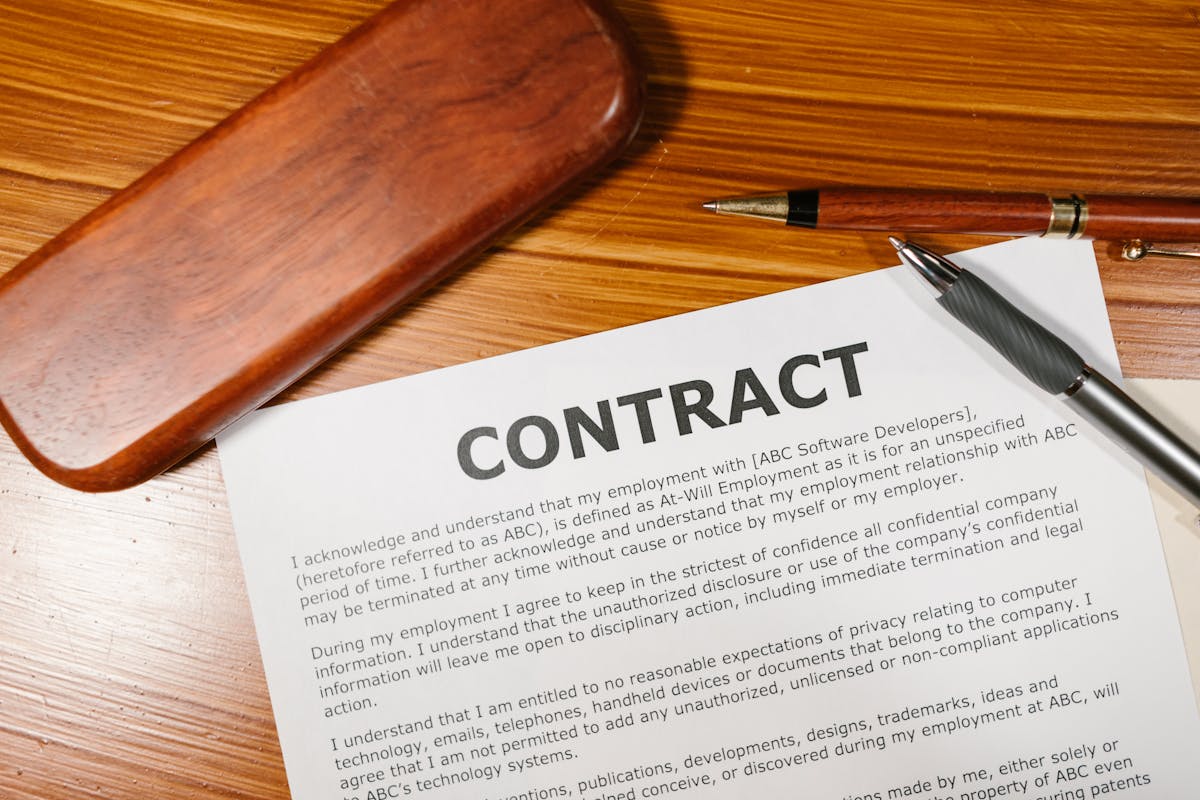
If you take one habit away from this post, take this one: never let a verbal conversation be the only record of a warranty interaction. Our standard now, after enough hard lessons, is to follow up every phone call and every service-bay conversation with a same-day email that opens with "to confirm what we just discussed…" and then lists the items, the promised actions, and the dates. That email becomes part of the record whether the dealer responds or not. If they correct anything in their reply, great — now you both have the same understanding. If they don't reply, your version becomes the unchallenged account of the conversation.
We learned this the hard way after a service writer at one of the dealers we worked with verbally promised a slide repair "by Friday," then went on vacation, and we showed up Friday to find no work had been started and no record that any promise had been made. From that day forward we wrote the email before we walked out of the building.
The escalation order — and why skipping steps backfires
In our experience, RV warranty escalations work best when you climb the ladder in order rather than starting at the top. We have a full breakdown in our companion post on escalating an RV warranty issue in the order that works, but the short version is this:
- Service writer at the dealer
- Service manager at the dealer
- General manager at the dealer
- Manufacturer customer service line
- Manufacturer regional rep or district manager
- Manufacturer executive office or president's office
- External: BBB, state attorney general, NHTSA if there's a safety component, then an attorney
Why does order matter? Because every person above the service writer is going to ask "and what did the service writer say?" If you can't answer that — because you skipped over them — you immediately lose credibility. The manufacturer's regional rep, in our experience, will not engage seriously until the dealer has been given a chance and has either failed or refused. Their first question to us, almost every time, was "is your dealer aware of this?" If you can answer "yes, here is the dated record of when I told them and what they said," the conversation accelerates dramatically.
What we say, almost word for word
A calm phone voice will get you further than frustration ever will. Here is the script I now use at every stage, paraphrased from the dozens of calls I've made:
"Hi, my name is [name]. I own a [year, make, model] purchased on [date] from [dealer]. I have an open warranty issue I'd like to discuss. The issue is [factual description]. I first reported it on [date] to [person]. I was told [promise]. As of today, [current status]. I'd like to understand what happens next and on what timeline. May I have your name, your title, and a written confirmation of what we discuss today by email?"
Notice what the script doesn't do. It doesn't open with a complaint. It doesn't accuse anyone of anything. It doesn't threaten. It just lays out facts, asks a question, and requests written confirmation. The fact that you're already asking for written confirmation tells the person on the other end you've done this before and that you intend to keep records. In our experience, that single move changes the tone.
Legal note
This post is general information based on our own experience, not legal advice. Warranty law, lemon law, and consumer-protection rules vary by state and by the specific terms of your warranty contract. If you're heading toward a denied claim, a unit that's been out of service for an extended period, or any situation where you're considering legal action, consult a qualified attorney licensed in your state. We discuss general patterns in our companion piece on state lemon laws and RVs, but it is not a substitute for advice from a lawyer who knows your jurisdiction.
The "denied" conversation
Sooner or later, in a long claim, you will hear some version of "that's not covered." When you do, your first move is not to argue. Your first move is to ask three questions, in this order:
- "Can you tell me which specific provision of the warranty document you're relying on for that decision?" The answer is often a vague reference to "wear and tear" or "owner abuse" or "improper maintenance." Make them point to the page.
- "Can you put that denial in writing for our records?" A denial that nobody will commit to in writing is often a denial that won't hold up under escalation.
- "What is the appeal process, and who is the next person in the chain I should speak with?" Every legitimate warranty program has an appeal path. Asking for it signals you intend to use it.
In our experience, asking those three questions in that order — without raising your voice — moves a meaningful percentage of denials back into the "let me check on that and get back to you" column. Not all. But enough to make the questions worth asking every single time.
When the unit goes back into the shop — protect yourself
A subtle thing that cost us real money in year one: every day your RV sits in the dealer's service lot is a day you can't use it and, depending on your situation, a day you may still be making a loan payment on. We now do four things every time we drop the unit off:
- Photograph the entire exterior the day we drop it off. Tires, sidewalls, roof if we can reach it, slides extended where possible. New scratches and chips happen on service lots more often than anyone wants to admit.
- Get a written repair order listing every issue we're reporting that day, in our own words. Don't accept a generic "diagnose customer concerns." Make them write down the specific concerns.
- Set a check-in cadence in writing. "I will check in on Friday for a status update" prevents three weeks of silence.
- Ask about loaner units or reimbursement. Some manufacturers, in some situations, will compensate for extended downtime. The answer is often no, but it costs nothing to ask, and the ask gets logged.
The role of your dealer relationship
One thing we don't see talked about enough in warranty content: not all dealers handle warranty work the same way. In the broader industry, dealers generally make less margin on warranty repairs than on retail repairs, which can create incentives that work against the customer. Some dealers absorb that and handle warranty work as a brand-building service. Others, in our experience, deprioritize warranty claims behind paying customers.
The dealer you bought from is usually your first stop, but you're not always required to use them for warranty work. Manufacturer policies vary. If your selling dealer is dragging their feet, it's worth a call to the manufacturer to ask which other authorized service centers can handle your claim. That single question has saved us months of waiting more than once.
Knowing when to bring in outside help
Most claims resolve without lawyers, BBB filings, or state attorneys general. Some don't. Here are the rough markers that, in our experience, suggest it's time to bring in outside help:
- The unit has been in the shop for a cumulative number of days that's starting to look unreasonable for the issues being addressed.
- The same defect has been "repaired" multiple times and keeps coming back.
- You've reached the manufacturer's executive office and the response is still "we consider this closed."
- A safety-relevant defect (brakes, fire risk, structural) is being treated as cosmetic.
- The dealer or manufacturer refuses to put anything in writing.
At that point, your options outside the manufacturer-dealer chain typically include the Better Business Bureau, your state's attorney general consumer-protection division (the National Association of Attorneys General has a directory), NHTSA for safety defects, and ultimately a consumer-protection or lemon-law attorney in your state. We talk through the order of those steps in our piece on resolving disputes with RV dealerships.
The federal law worth knowing exists
Two pieces of federal-level consumer-protection law come up often in RV warranty conversations. We are not lawyers and we are not telling you how either applies in your specific case, but it's worth knowing they exist.
The Magnuson-Moss Warranty Act is the federal law that governs written warranties on consumer products. It does not require a manufacturer to offer a warranty, but it does set rules about how a written warranty must be disclosed and how it can and can't be enforced. The FTC's consumer-warranty page is a plain-English introduction. Read it before you have a problem, not after.
Lemon law, separately, is state-by-state, varies wildly in coverage, and in many states applies only to certain portions of an RV (often the motorized chassis, not the coach). We dig into the general patterns in our lemon-law overview, but if you think you have a lemon, talk to a qualified attorney in your state.
A note on tone, social media, and not blowing up your own case
We have a brand built on talking openly about RV-industry problems. We also have a hard rule that we follow in our own claims: do not post the public rant until the claim is closed. A heated social-media post about an active claim can do three things, all of them bad for you. It can give the manufacturer's legal team material to argue you've made things harder to resolve. It can prompt the dealer to dig in rather than work with you. And, occasionally, it can step into language that creates exposure for you as the poster.
We talk more about this in our dispute-resolution piece, but the short version: keep your public communication factual, restrained, and dated — and save the storytelling for after the claim is resolved.
The mindset that gets you through
Year one with the Alliance was the closest I came to giving up on the RV lifestyle altogether. Not because I didn't love the road — I did, and I still do — but because the cumulative cost in time, money, and emotional energy of fighting for what I'd been promised was genuinely staggering. Two things, in hindsight, kept me going.
First, I treated every defect as a paperwork problem instead of an emotional one. The defect was real. The frustration was real. But neither got solved by being mad on the phone. They got solved by the binder, the spreadsheet, the dated photos, and the email that started with "to confirm what we discussed." Channel the frustration into documentation. The paper wins.
Second, I kept reminding myself that the goal wasn't to be right. The goal was to get the unit fixed and to get back on the road. Sometimes that meant accepting an imperfect resolution. Sometimes it meant pushing harder. The discipline was in knowing which situation I was in, and I got better at that with every claim.
If you're at the beginning of your own warranty saga, I'm rooting for you. Start your log today. Get every promise in writing. Climb the escalation ladder in order. And remember that the worst-built RV out there is still parked at a campground somewhere with an owner inside who's having the time of their life — when the rig isn't in the shop. The lifestyle is worth fighting for. The fight is just paperwork. Good Luck Out There!